
Mr. Passive Aggressive
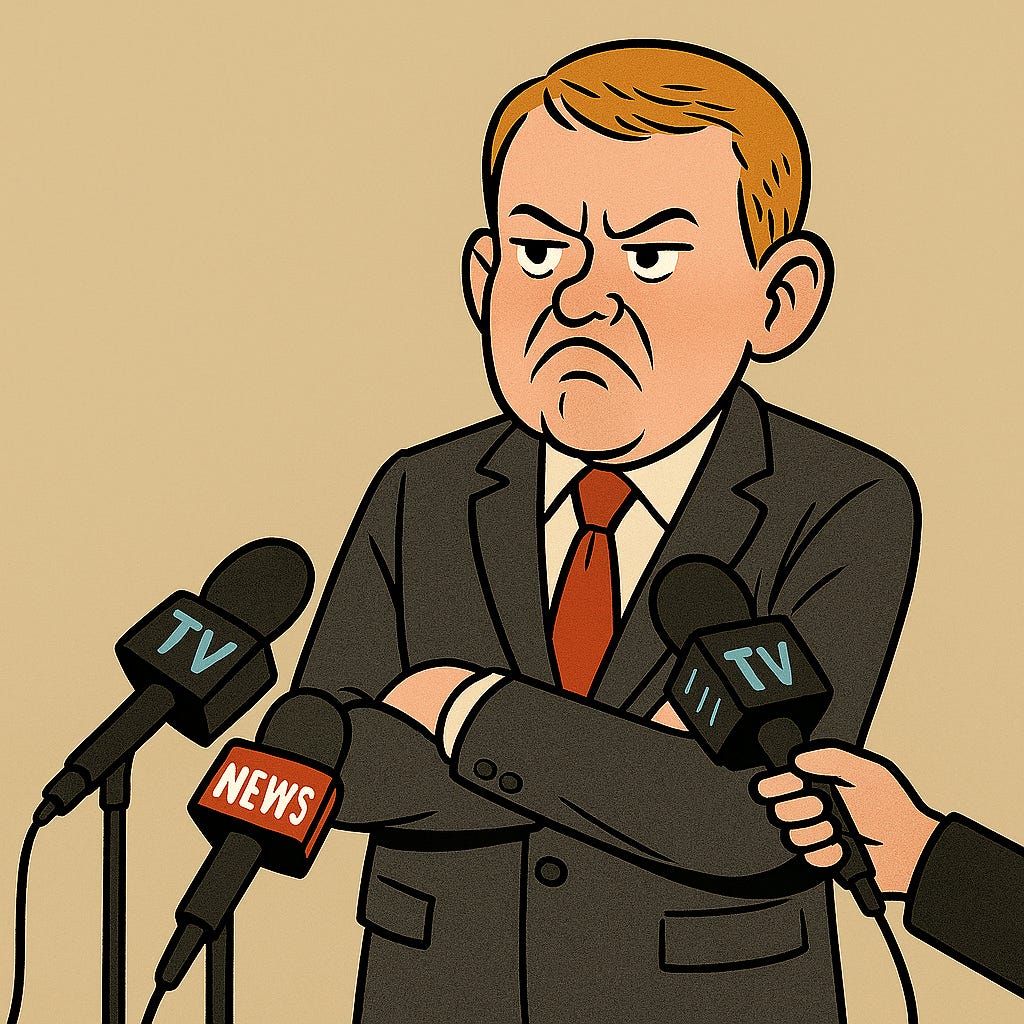
The public expects the opposition to oppose, but is less tolerant of oppositions acting like moody teenagers who won't back down when they look like idiots.

It is not unusual for opposition to concern itself chiefly with criticism. It's actually quite proper. Government is a responsibility and opposition is, by its nature, a disposition. One is charged with stewardship, the other with scrutiny.
The business of offering alternatives is sometimes best left until the moment for decision is at hand. The danger, however, is when this goes beyond political restraint and curdles into a kind of theatrical sulking.
Chris Hipkins has come to embody just such a style. His stance is not one of fiery opposition nor even steady disagreement. It is something altogether more corrosive: a pattern of delay, denial, and wounded objection.
In short, a political temperament best described as passive-aggressive.
Nowhere has this been more visible than in the saga over NCEA reform. Education Minister Erica Stanford, quite properly, extended multiple offers to brief Labour’s education spokeswoman, Willow-Jean Prime, on the government’s proposed changes. These briefings were not just to be from the minister herself, but from officials and a Professional Advisory Group, too.
For months, those offers were ignored. No replies were sent. Invitations went unanswered. Personal text messages were ghosted. Eventually, Stanford bypassed Prime and contacted Hipkins directly.
Only then did a response come… declining the offer.
And now, when all the key decisions have been made, Hipkins has emerged to publicly complain about a lack of consultation. Hipkins, with a touch of sanctimony, claimed that when he was education minister he always made a point of involving the opposition in education policy.
And in doing so, he gave the clear and misleading impression that the current government had failed in that duty.
The truth having now come out, Hipkins admits that Prime should have responded earlier. But he then excused her conduct by suggesting it was reasonable for her to wait until she had consulted teachers and parents first. He blamed the process, not the silence. The implication was that, had the government been genuinely inclusive, it would have waited indefinitely for Labour to amble in at its leisure.
If that sounds ridiculous, that’s because it is. The idea that a minister must sit around, twiddling her thumbs, while Labour takes an open-ended sabbatical to consult unnamed stakeholders is not a genuine demand for consultation. The notion that Prime’s months of silence should be excused on the grounds that she was doing her due diligence strains credulity past breaking point.
Ridiculous is the word, because there’s no other respectable term for this kind of behaviour. Other than, perhaps, pathetic.
It is textbook passive aggression. Don’t respond, then claim you weren’t really invited. Abstain from the process, then condemn it for moving without you. And when finally nudged into action, gaslight those who had tried, earnestly, to include you.
